
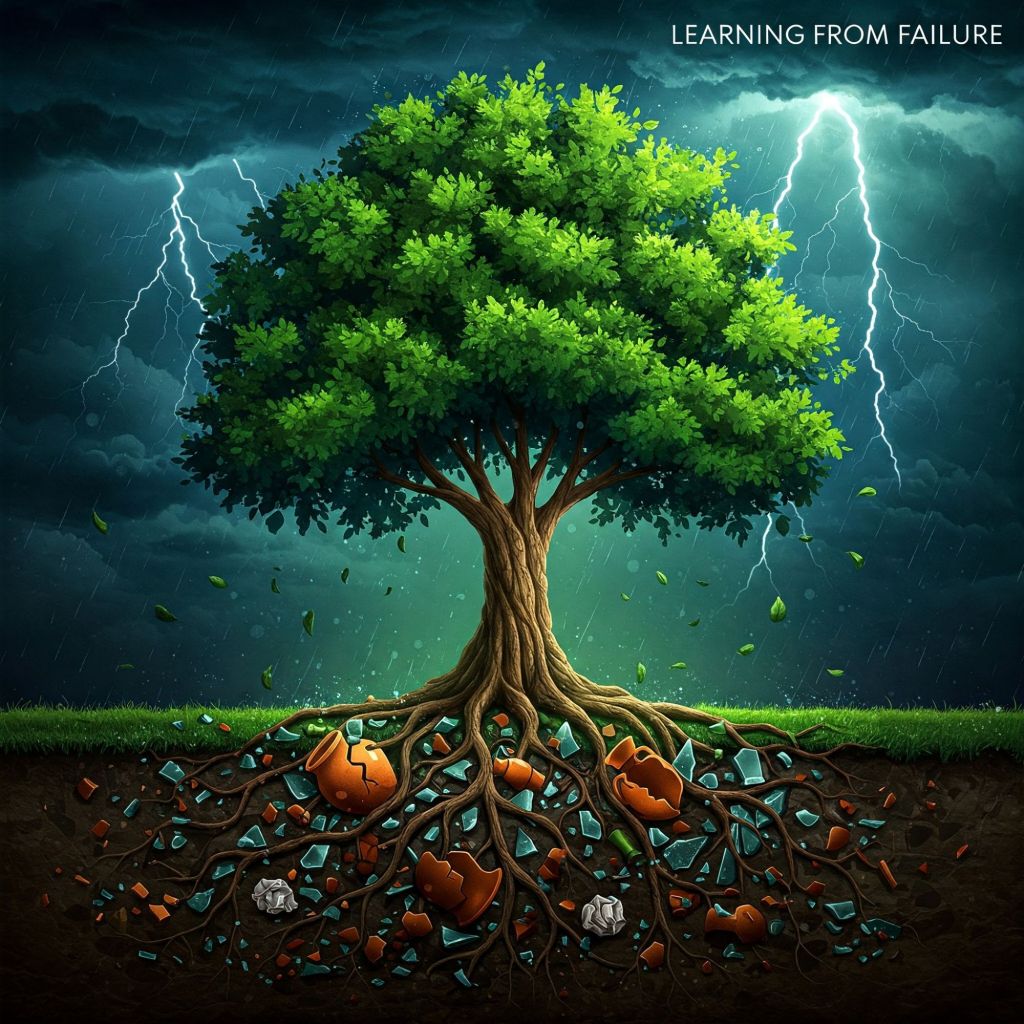
The narrative of success often glosses over the messy, uncomfortable reality of failure. Yet, it is within these missteps and setbacks that the most profound learning occurs. To shy away from failure is to stifle growth, as it is the crucible in which resilience, adaptability, and true mastery are forged. Each instance of falling short provides invaluable data, illuminating the flaws in our approaches and revealing the blind spots in our understanding. Without this feedback loop, progress remains stagnant, limited by the fear of imperfection.
Constant failure, when viewed through the lens of a learning process, transforms from a source of dread into a powerful tool for self-improvement. It forces us to confront our limitations, to question our assumptions, and to seek alternative solutions. The act of analyzing our failures, of dissecting the contributing factors, cultivates critical thinking and problem-solving skills. This process of iterative refinement is essential for innovation, as it encourages experimentation and the exploration of uncharted territories. Without the willingness to fail, we risk remaining trapped within the confines of conventional wisdom, unable to break new ground.

Furthermore, embracing failure fosters a mindset of resilience, a crucial trait for navigating the inevitable challenges of life and work. The ability to bounce back from setbacks, to learn from mistakes, and to persevere in the face of adversity is not innate but rather developed through repeated exposure to failure. Each time we recover from a stumble, we strengthen our mental fortitude, building the confidence to tackle increasingly complex challenges. This resilience not only enhances our personal growth but also contributes to our ability to navigate the unpredictable nature of the world around us.
The fear of failure often stems from a societal emphasis on perfection, a misconception that success is a linear path devoid of missteps. However, the most accomplished individuals across various fields are those who have experienced and learned from numerous failures. They understand that failure is not a reflection of their inherent worth but rather a natural part of the learning journey. By reframing failure as a necessary step towards success, we can cultivate a healthier relationship with setbacks, allowing us to embrace them as opportunities for growth rather than sources of shame.
In essence, constant failure, when approached with a growth mindset, is not a deterrent but a catalyst for progress. It provides the essential feedback, fosters resilience, and encourages innovation. By embracing the inevitable stumbles along the way, we unlock our potential for continuous learning and achieve a deeper understanding of ourselves and the world around us. Therefore, instead of fearing failure, we should actively seek it, recognizing its vital role in our journey towards mastery and fulfillment.
This article was created using Google Gemini
 Concious Family
Leave a comment