
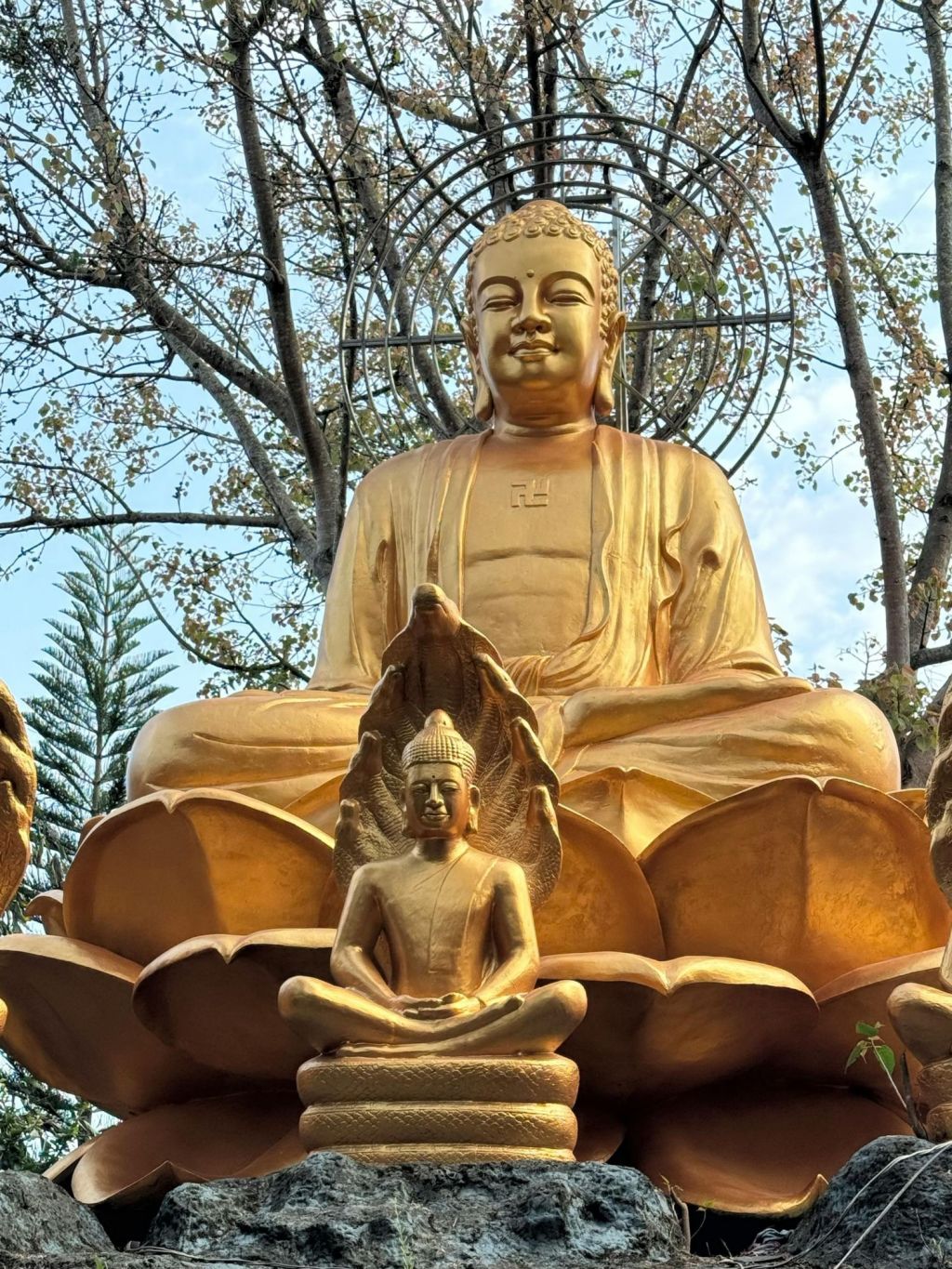
In the pursuit of inner peace and mindfulness, establishing a dedicated sacred space for meditation proves invaluable. This space transcends the mere act of finding a quiet corner; it becomes a physical manifestation of one’s commitment to cultivating tranquility. It’s a personalized sanctuary, designed to facilitate introspection and mindfulness, offering a refuge from the relentless demands of the external world. Whether expansive or intimate, elaborate or minimalist, its essence lies in its ability to resonate with one’s individual sense of serenity. By stepping into this carefully curated environment, a clear signal is sent to the mind and body, indicating a transition from the frenetic pace of daily life to a state of calm focused awareness.
The importance of a sacred space lies in its power to foster intention and consistency. In designating a specific area for meditation, a tangible reminder of one’s dedication to the practice is created. This consistency helps train the mind to associate the space with calmness and focused awareness, making it easier to slip into a meditative state. Furthermore, our daily environments are often saturated with distractions, from technology to household chores. A dedicated sacred space acts as a buffer zone, minimizing these distractions and allowing for deeper concentration. The reduction in sensory input facilitates a more profound meditative experience, enabling one to fully immerse themselves in the present moment.
Beyond minimizing distractions, a sacred space enhances emotional and spiritual connection. By infusing the space with personal meaning and symbolism, a sense of connection to something larger than oneself is cultivated. Incorporating objects that inspire peace, gratitude, or spiritual reflection nourishes the soul and supports emotional well-being. This personalized environment becomes a haven, a refuge where one can escape the stresses of daily life and cultivate a sense of inner calm. The act of creating this space itself can be a meditative process, allowing for intentional curation of an environment that promotes relaxation and stress reduction.
The process of creating a sacred space involves careful consideration and personalization. Choosing a quiet location, clearing and cleansing the area, and incorporating elements that resonate with one’s individual sense of peace are essential steps. Comfortable seating, soft lighting, natural elements, meaningful objects, and aromatherapy can all contribute to creating a tranquil atmosphere. Establishing a ritual to mark the beginning and end of meditation practice in this space further enhances its significance. Regular maintenance ensures that the space retains its peaceful atmosphere, serving as a constant reminder of one’s commitment to inner peace.
Ultimately, establishing a sacred space is an act of self-care, a way to prioritize inner peace and well-being. By cultivating a dedicated environment for meditation, one can deepen their practice, reduce stress, and cultivate a greater sense of connection to themselves and the world around them. It becomes a personal sanctuary, a place where the chaos of daily life fades away, replaced by a profound sense of calm and centeredness.
This article was created using Google Gemini
 Concious Family
Leave a comment