
This article was created using Google Gemini
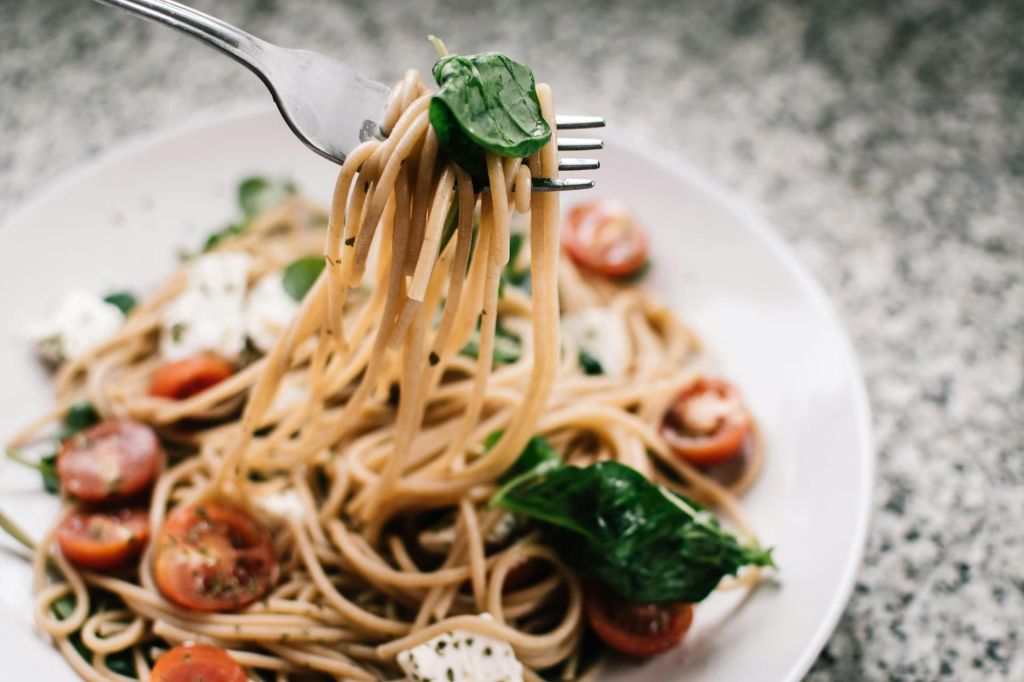
Maintaining a diet rich in fresh, nutrient-dense foods is one of the most effective ways to support long-term health and vitality. When we prioritize whole foods like leafy greens, vibrant fruits, and lean proteins, we provide our bodies with the essential vitamins and minerals necessary for cellular repair and immune function. A consistent intake of fresh produce ensures that these nutrients are at their peak potency, offering maximum protection against chronic conditions such as heart disease and type 2 diabetes. By choosing fresh ingredients over heavily processed alternatives, we also avoid excessive sodium and refined sugars that often contribute to systemic inflammation and fatigue.
Word of advice, don’t eat expired food
Healthy not healthy, the choice is ours
Safety remains the most compelling reason to avoid eating food that has truly expired or begun to spoil. As food ages, especially perishables like dairy, meat, and unpasteurized juices, it becomes a breeding ground for harmful pathogens such as Salmonella, E. coli, and Listeria. These bacteria can multiply rapidly under the right conditions, leading to foodborne illnesses that range from mild digestive upset to severe dehydration and hospitalization. Unlike the natural wilting of a vegetable, which might just affect texture, the growth of invisible toxins or mold can pose a serious threat to the digestive system and overall well-being.
Developing a habit of regular pantry and refrigerator rotation is a practical way to balance health with food safety. By placing newer items at the back and bringing older, fresh items to the front, you can ensure that nothing lingers long enough to lose its nutritional benefits or become a safety hazard. This practice not only protects your health but also reduces food waste and saves money, as you are more likely to consume what you buy before it deteriorates. Trusting your senses—smelling for off-odors, checking for changes in texture, and inspecting for mold—acts as a final, vital line of defense in maintaining a safe kitchen environment.
The timing of consumption is just as critical as the type of food selected, as the integrity of food declines once it passes its peak freshness. While many labels like “best-by” or “sell-by” primarily reflect quality and flavor rather than immediate danger, adhering to these guidelines helps ensure you are receiving the full nutritional value of your meal. Over time, the chemical composition of food can shift; for instance, vitamins like Vitamin C and B-complex are particularly sensitive and can degrade as a product sits on the shelf. Eating food while it is fresh guarantees that your body is actually absorbing the fuel it needs to function optimally throughout the day.
The synergy between eating healthy and eating fresh creates a foundation for a high-quality lifestyle. When you fuel your body with clean, non-expired ingredients, you experience more stable energy levels, improved mental clarity, and a stronger resilience against illness. Making the effort to select fresh items and respect their shelf life is an act of self-care that pays dividends in how you feel both today and in the future. By treating your kitchen as a source of fresh medicine rather than a storage unit for aging goods, you empower yourself to live a more vibrant and healthful life.
 Concious Family
Leave a comment